Maple Wood Properties, History, and Care: A Deep Dive for Makers
Explore the essential properties of maple wood, its historical role in furniture making, and practical care guidelines. This article provides a foundation for designers, woodworkers, and enthusiasts hungry for credible maple-focused knowledge.
Introduction: Why Maple Matters to Makers
Maple is more than a material; it is a quiet storyteller in wood form. Its density, workability, and grain patterns shape how furniture behaves under tools, finishes, and time. For makers, maple offers a balance of strength and ease that makes complex joinery approachable while delivering durable, beautiful results. This article unfolds maple’s properties, its storied history in New England and Vermont’s craft scenes, and practical care tips that help pieces endure long after the sawdust settles.
In the Maple Corner mindset—an identity weaved from warmth, craftsmanship, and natural materials—maple wood is celebrated for its even texture, light to mid-toned hue, and ability to accept finishes with clarity. For designers, maple presents opportunities to showcase grain, figure, and a restrained aesthetic that suits both traditional and contemporary sensibilities.
1) Maple Wood Properties: Density, Workability, and Finish Interactions
Maple is commonly categorized as a hard maple (Acer saccharum and related species) or soft maple (Acer saccharinum and others) in woodworking terms. The distinction matters because it influences how the wood machines, sands, glues, and polishes.
- Density and strength: Hard maples tend to be denser and stronger than many other domestic hardwoods. This density translates to excellent wear resistance, making maple a preferred choice for dining tables, edges, and high-traffic surfaces. It also means maple can resist denting and maintain a clean surface under daily use.
- Workability: Maple machines with a satisfying stiffness. It responds well to sharp tools, producing clean cuts and minimal tear-out when properly supported. It holds angles and joints with precision, which is especially clear in dovetail, mortise-and-tenon, and finger-jointed assemblies.
- Finishes and grain: Maple has a tighter, more uniform grain than many species, which can make dyed finishes appear more uniform and less prone to blotching. When finished with oil or wax, the grain breathes and glows, offering a warm, timeless look. Film finishes (lacquer, polyurethane) can yield a glassy surface and high protection, but may emphasize the grain’s clarity and light reflection in a distinctive way.
- Stability and response to moisture: Maple’s stability is a key virtue for furniture. It resists much of the seasonal movement that other woods exhibit, which helps keep joints tight and surfaces flat. Proper acclimation in the shop and controlled humidity environments further reduce movement once the piece is in the home.
- Finishes and compatibility: Maple accepts oils, waxes, and film finishes with equal gusto, though the aesthetics of the finish can be influenced by the wood’s color and resin content. Non-toxic oil finishes—often used in craft-minded Vermont shops—highlight the grain and keep the color natural.
In practical terms for a maker, maple invites careful preparation: sharp tools, a stable workbench, and precise sanding sequences. It rewards meticulous edge treatment and careful joinery, especially when craft and longevity are at stake. The material’s resilience makes it a dependable partner for heirloom pieces that aim to pass from one generation to the next.
2) Historical Overview: Maple in Vermont and New England Furniture Traditions
Maple’s historical trajectory in furniture making is closely tied to the forests of New England and the Vermonter’s lived experience. Long before industrial mass production, regional workshops drew on maple for its availability, workability, and the warm, light finish that maple responds to so gracefully.
Early colonial and regional craft: In colonial and early American workshops, maple served as a reliable core material for robust joinery and storage pieces. Its density allowed for durable chair frames, table legs, and casework that could withstand family life and frequent use. The maple’s pale hue and subtle grain also took dyes and finishes well, offering a canvas for artisans to express restrained formal character.
Vermont’s mid-century craft movement: In the mid-20th century, Vermont’s craft scene emphasized honest materials, traditional joinery, and small-scale production. Maple emerged as a flagship material for his-and-her desks, Shaker-inspired beds, and dining ensembles that balanced simplicity with functional elegance. The craftsman ethos—handwork, durable construction, and care for the wood—shaped the region’s furniture identity and continues to influence contemporary makers today.
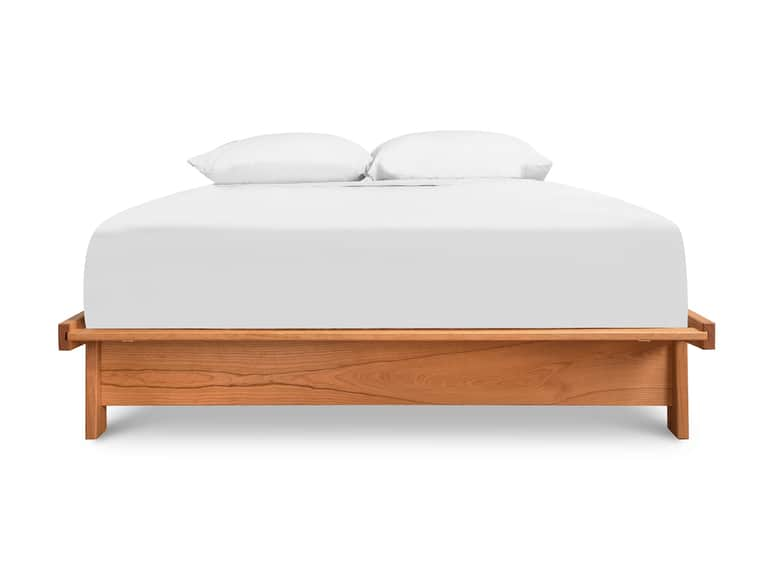
Modern revival and sustainable practice: Today’s maple stories often foreground sustainability, regional sourcing, and non-toxic finishes. Vermont-based studios and co-ops highlight maple’s enduring beauty while respecting ecological considerations. Maple Corner Woodworks, for example, has built a lineage around platform beds and Shaker-inspired designs that celebrate maple’s quiet warmth and reliable performance.
3) Care and Finishing Basics: Preserving Maple’s Grain and Color
Caring for maple involves a blend of preventive measures and thoughtful finishing. Maple’s grain pattern responds to finishes with clarity, and the right choice can either highlight the grain’s subtle figure or yield a more uniform surface. Here are practical guidelines:
- Cleaning: Use a soft, dry or slightly damp cloth for routine cleaning. Avoid abrasive cleaners that can scratch the surface or dull the finish.
- Finish choices: Oil finishes (like linseed or tung) deepen the grain with a warm, natural glow, while wax finishes provide a soft luster and easier touch-ups. Film finishes (urethane or lacquer) offer durability and easier wipe-downs but can alter the depth of grain slightly, giving a more uniform sheen.
- Maintenance tips: Periodic cleaning with a mild soap solution and light re-oiling can maintain warmth and depth. For oil finishes, reapplication every few years or as the surface dulls keeps the finish replenished. For wax, a light buff can refresh the surface without altering color.
- Avoiding blotching and color inconsistencies: Maple seldom blotches, but ample test patches are wise when applying stain or dye. A pre-stain conditioner can help achieve even absorption if color uniformity is a priority.
- Environmental considerations: Maple appreciates stable humidity. Avoid exposing large flat panels to rapid humidity shifts, which can invite warping or misalignment in joined pieces over time.
For makers, understanding maple’s care landscape helps you communicate value to clients and plan finishes that enhance longevity. The right finish not only protects but also expresses the wood’s natural warmth, allowing maple to age gracefully.
4) Notable Makers and Historical Figures Who Shaped Maple Craft
Maple’s story has been shaped by skilled hands across centuries. Here are three influential figures from different eras whose work left an imprint on how we approach maple furniture today:
1740s–1780s: Jonathan Hale and the Colonial Maple Craft
In New England’s early workshops, artisans like Jonathan Hale combined practical joinery with the region’s maple supply to craft sturdy, functional furniture. Hale’s pieces prioritized clean lines, robust mortise-and-tenon joints, and a respectful use of maple that balanced form and function. His work set a standard for durable family furniture that endured through generations.
Mid-1900s: The Vermont Studio Movement and Maple as Material Identity
As American studio furniture gained prominence, Vermont-based craftspeople embraced maple for its quiet warmth and ability to take on decorative finishes without masking its character. This era saw a shift toward hand-finished surfaces, traditional joinery, and a heightened appreciation for maple’s grain as a design feature—an influence still felt in contemporary maple pieces today.
21st Century: Contemporary Craftsmanship and Sustainable Maple
Modern makers, including those in Vermont’s woodworking communities, foreground sustainable sourcing, non-toxic finishes, and transparent craft narratives. Figures like today’s maple-focused designers blend Arts & Crafts sensitivity with contemporary lines, proving maple’s adaptability across styles—from Shaker panels to modern platform beds.
5) A Contemporary Maple-Focused Case Study: The Contemporary Craftsman Huntboard
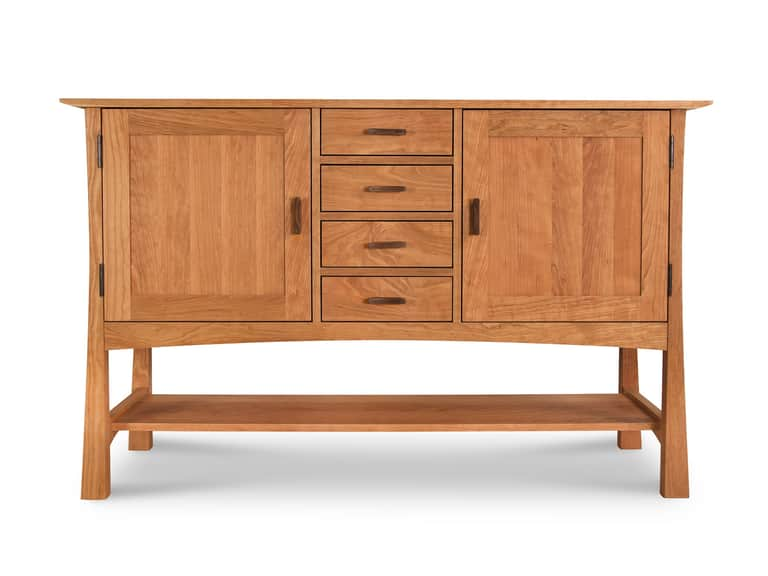
As a practical anchor, consider the Contemporary Craftsman Huntboard. This Vermont-made piece epitomizes the marriage of durable maple construction and an Arts & Crafts silhouette. Behind each door, a half-shelf expands storage flexibility—an elegant solution for dining rooms and living spaces that value thoughtful detail.
Product spotlight
Contemporary Craftsman Huntboard (4312)
Solid wood construction with an Arts & Crafts silhouette, featuring a 1/2 shelf behind each door for flexible storage. Made in Vermont, the Huntboard illustrates how maple’s warmth and craft-focused detailing can anchor a dining room with enduring character.
Price: $5,330.00

This piece underscores how maple can be employed beyond a strictly traditional profile. The Huntboard’s clean lines and straightforward construction demonstrate maple’s versatility—from quiet storage solutions to a centerpiece that ages gracefully. For makers and designers, it’s a reminder that maple can be both a workhorse and a statement material when paired with thoughtful design.
6) Integrating Maple Knowledge into Your Design Process
Whether you’re an aspiring maker or an established designer, maple knowledge informs every stage of a project—from material selection and joinery planning to finish choices and care messaging for clients. Here are practical steps to weave maple expertise into your workflow:
- Material selection: Consider maple density, grain pattern, and the table’s intended use. For high-traffic pieces, hard maple offers durability and a resilient surface that can take a beating while maintaining a refined look.
- Joinery planning: Maple holds joints well, supporting precise mortise-and-tenon or dovetail work. Plan for wood movement and seasonal changes with appropriate allowances and hidden fasteners where necessary.
- Finish strategy: Decide between oils, waxes, or film finishes based on the project’s aesthetics and maintenance expectations. An oil finish can accentuate grain; a film finish provides robust protection for busy households.
- Care and documentation: Offer clients clear care instructions that reflect maple’s finish and maintenance needs. A simple care checklist helps owners protect the wood’s warmth and depth over years of use.
The Maple Corner approach—combined with a thoughtful care plan—translates craft into credibility. It is not just about building furniture; it is about shaping a narrative of material integrity and lasting value.
7) Conclusion: Maple, Craft, and a Future Centered on Quality Materials
Maple wood remains a beloved ally for makers who value durability, warmth, and a refined aesthetic. Its historical significance in New England and Vermont, paired with modern sustainable practices, ensures maple can continue to grace homes with stories that endure. By embracing its properties, understanding its history, and applying careful care, designers and woodworkers can craft pieces that not only meet daily needs but also carry the soul of timeless craftsmanship.
Maple Corner’s identity—rooted in natural materials and craftsmanship—resonates with readers who seek credible maple-focused knowledge. This deep dive into maple wood properties, history, and care is a starting point for a broader exploration of maple’s role in furniture, finishes, and maker-led storytelling. Whether you are preparing a maple panel bed, a huntboard, or a simple maple case piece, remember: it’s not just wood; it’s a chapter in a handmade life.
Further reading and resources
- Glossary: maple species, hard vs. soft maple terminology
- Care guides for maple surfaces: oils, waxes, and film finishes
- Case studies: maple in regional Vermont furniture design